Signs Your Water Heater Is Going Bad
How Long Do Water Heaters Last?
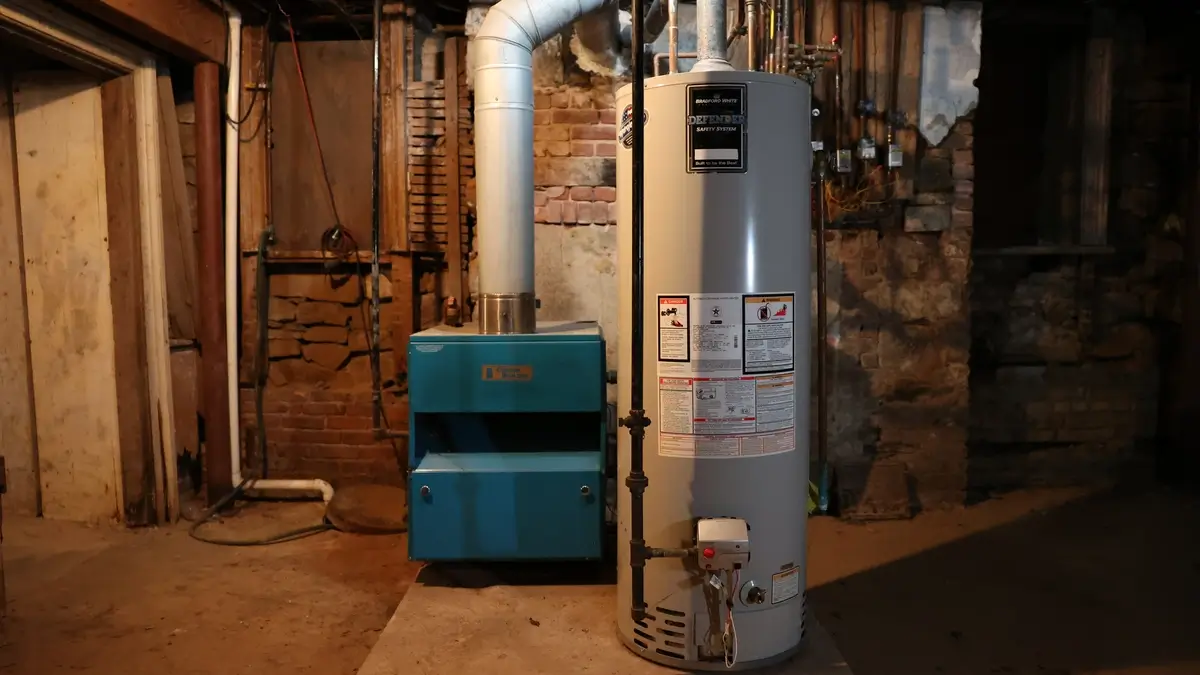
Many homeowners have no idea their water heater is nearing the end of its lifespan until a long, luxurious shower suddenly goes from hot to cold. When you are familiar with the signs of water heater failure, you can avoid emergencies and proactively decide whether repair or replacement is the smarter move.
Water heaters age at different rates. Standard tank-style heaters usually last around eight to 12 years before their steel begins to corrode. Tankless water heaters have longer lifespans, approximately 15 to 20 years, thanks to on-demand heating and the absence of a storage tank. However, they still require regular descaling to remain in good condition. If your tank water heater is 8 to 12 years old, or your tankless unit is nearing 15 years, you’ll likely start to notice a few early warning signs if you know what to look for
Several conditions can reduce performance and shorten your unit’s lifespan, including neglected water heater maintenance, high usage, scale buildup and sediment accumulation at the bottom of the tank. There’s no single rule for when to replace a water heater, but a licensed plumber can determine whether your system has years left or is nearing the end.
You should consider water heater replacement as a preventive measure if your unit is at or beyond its expected lifespan and showing multiple warning signs of an imminent failure, such as odd noises, leaks, discoloration and inconsistent hot water. Repair may be a wiser investment if you have a newer water heater with fixable issues like a failing heating element, thermostat or anode rod. If your system is aging but still functioning, budgeting for a new water heater installation today will allow you to avoid surprise expenses down the road.
Top Signs Your Water Heater Is Going Bad
Water heater failures rarely happen all at once. Most units enter a “warning phase” where minor changes in sound, water quality or performance signal a looming breakdown. If you recognize these early signs your water heater is failing, you can avoid a surprise loss of hot water—or worse, a tank rupture that causes extensive water damage. Here are the visual, auditory and operational symptoms you should watch for.
1. Noises and Vibrations (Rumbling, Popping or Loud Cycling)
If your water heater makes popping noises or rumbles noisily, sediment is usually the culprit. Over time, minerals will settle and harden at the bottom of a tank. When the burner heats this layer, it will overheat, expand and create those telltale sounds. This constant overheating stresses the tank, reduces efficiency and can eventually lead to premature failure.
2. Water Heater Leaking from the Bottom or Pooling Water
Because tank water heaters operate under pressure, even minor leaks can escalate quickly. Moisture around the base of the water heater deserves immediate attention because it can indicate an internal tank fracture, irreparable corrosion, a failing temperature and pressure relief valve or a leaky connection.
3. Discolored, Rusty or Foul-Smelling Water
Seeing rusty hot water from the tap often means the anode rod has deteriorated and can no longer protect the tank, thus allowing corrosion to form on the inside. A sulfur smell like rotten eggs usually suggests bacterial growth inside the tank or an anode rod reacting with mineral content. While maintenance can sometimes resolve unpleasant odors, persistent discoloration and smells indicate your system is nearing the end of its life.
4. Insufficient Hot Water or Fluctuating Temperatures
Running out of hot water faster than usual can signal a failing heating element, malfunctioning thermostat, sediment buildup and reduced burner efficiency. Tankless systems may show similar symptoms if accumulated scale restricts flow through the heat exchanger.
5. Unexpected Spikes in Monthly Energy Bills
If your utility bills spike without a corresponding change in your usage, your water heater may be the cause. Failing water heaters often consume more energy to warm the same amount of water. Sediment buildup, aging components and reduced burner or element efficiency will force the unit to run longer and more frequently.
6. Reduced Water Flow or Low Pressure
Mineral buildup doesn’t only collect inside the tank. It can also accumulate in outlet pipes, valves and tankless heat exchangers. Over time, this will restrict water flow and cause noticeable drops in pressure at faucets and showers.
7. System Age (Over 10 Years Old)
Age is one of the most reliable predictors of failure. Your risk of experiencing leaks, corrosion and performance issues will increase sharply once your tank-style water heater reaches 10 years or more. Tankless systems approaching 15 to 20 years may develop similar issues. Age doesn’t guarantee failure, but it amplifies every other warning sign.
8. Frequent Repairs and System Breakdowns
If your water heater needs service multiple times a year, you may be approaching the tipping point where water heater repair costs exceed replacement value. Replacing an aging, unreliable unit often provides better long-term savings, safety and peace of mind.
Hidden Risks of Operating an Aging or Failing Water Heater
Even if an aging or malfunctioning water heater still provides you with hot water, it can create serious safety, structural and financial risks. Many homeowners don’t realize how quickly a small symptom can escalate into a full-fledged emergency. If you understand these hidden dangers, you can gauge when it’s time to call the professionals at HomeServe before the problem becomes far more costly.
Catastrophic Flooding and Structural Damage
A failing tank-style water heater is essentially a pressurized steel container that gradually weakens. Internal corrosion and sediment that causes overheating may result in catastrophic flooding, which can damage your flooring, drywall, insulation, furniture or electrical system. Beyond the immediate water cleanup, you may need to hire professionals for mold remediation and structural repairs, which often cost far more than a planned water heater upgrade.
Health and Safety Concerns
A deteriorating water heater can also create safety hazards, which is why it is vital not to ignore unusual smells, inconsistent temperatures or signs of overheating.
- Scalding: Faulty thermostats or overheating elements can cause water temperatures to spike unexpectedly.
- Electrical shorts: Electric water heaters with failing heating elements or compromised wiring can short out, posing fire and shock risks.
- Gas leaks or combustion issues: Older gas units may develop burner problems, ventilation issues or gas line leaks, all of which require immediate professional attention.
Financial Strain from Poor Efficiency and Recurring Repairs
Water heaters lose efficiency with age. Sediment buildup forces the burner or heating elements to work harder, which means longer heating cycles, higher monthly bills and increased strain on internal components. The cost of frequent repairs can add up quickly. At some point, the cumulative expenses of keeping an old unit running will outweigh the price of installing a new, energy-efficient model.
What to Do When Your Water Heater Shows Warning Signs
When your water heater starts acting up, the safest approach is to take a few quick troubleshooting steps to protect your home from potential damage, then call a professional before minor problems escalate into major failures.
Immediate Troubleshooting and Safety Precautions
Before assuming the worst, check a few basic settings to prevent further damage and verify whether your water heater is safe to operate while you determine whether you need professional service.
- Verify thermostat settings to ensure the temperature didn’t accidentally get lowered.
- Check the breaker box for tripped circuits on electric units.
- If you have a gas model, confirm the gas valve is open and the pilot light is still lit.
- Inspect for active leaks and shut off the cold-water supply valve if you see pooling water.
- Turn off your power or gas if you smell burning, notice overheating or suspect an electrical or combustion issue.
- If you smell gas, leave your home right away and call 911 or your gas utility from outside.
Schedule a Professional Plumbing Inspection
A licensed plumber can diagnose whether your water heater’s symptoms stem from a fixable issue or a failing system. During a diagnostic visit, HomeServe’s South Jersey technicians typically evaluate:
- Heating elements, thermostats and burner performance
- Sediment levels and tank integrity
- Anode rod condition
- Venting, gas connections and electrical safety
- Temperature and pressure relief valve operation
Schedule Annual Water Heater Maintenance
Regular maintenance is one of the best ways to extend your water heater’s lifespan. If you’ve ignored your system, scheduling an appointment now can prevent many common failure symptoms.
Annual service may include:
- Flushing sediment from the tank to restore efficiency
- Descaling tankless systems to improve flow and heat exchanger performance
- Replacing the anode rod to slow internal corrosion
- Checking valves and connections for early signs of wear
- Signs of corrosion, leaks or structural tank failure
Repair or Replacement? Use the 50% Rule
A useful guideline to follow is the 50% rule, which says that replacement is usually a better investment if the repair cost is more than half the price of a new water heater and the unit is at or near the end of its expected lifespan. New, efficient water heaters often lead to lower utility bills, better performance and confidence.
These variables should all factor into your decision.
- Age: Tank units over 10 years and tankless units over 15 to 20 years are high-risk.
- Efficiency: Older systems cost more to operate month after month.
- Reliability: Frequent breakdowns often signal deeper internal deterioration.
- Safety: Corrosion, leaks and overheating can create serious hazards.
Upgrading Your System: What to Consider When Replacing
When your water heater shows signs of failure and appears to have reached the end of its lifespan, upgrading can improve efficiency, lower utility bills and give you a more reliable supply of hot water. Here’s what homeowners in South Jersey should consider before choosing a replacement.
Modern water heaters come in several styles, each with a different efficiency level, installation needs and performance benefits. The best choice depends on your home’s fuel source, layout and hot‑water demand.
- Traditional tank-style: This budget-friendly option is excellent for predictable household demand. They store a set amount of hot water and are available in gas and electric models.
- High-efficiency tankless: These models heat water on demand for significantly higher efficiency. They typically last longer and reduce standby heat loss, but installation costs are higher.
Think through these essential details when selecting a new water heater.
- Fuel source (gas vs. electric): Gas models heat water quickly and are often cheaper to operate. Electric models don’t need a gas line or venting, so they’re a simple fit for homes without natural gas service.
- Capacity and sizing: If you choose a tank-style model, it should match your household’s demand (typically 40 to 50 gallons for many homes). The metric for tankless units is flow rate, or the number of fixtures they can simultaneously support.
- Household size and usage patterns: Larger families or homes with multiple bathrooms may benefit from tankless or high-capacity tank systems.
- Regional considerations: South Jersey’s winters can affect recovery time and efficiency, especially for electric tank units. Tankless systems may require proper venting and freeze protection.
Expected Costs and Long‑Term Savings
Water heater replacement costs vary based on system type.
- Traditional tank units: Typically the most affordable, including installation.
- Tankless systems: Higher initial price tag, but lower long‑term operating expenses.
While tankless systems cost more initially, they often pay off through lower monthly energy bills, reduced maintenance needs, improved performance and a longer equipment lifespan. Our professional techs can help you compare operating costs and expected savings, giving you reliable comfort without paying for more capacity than you need. If your water heater is showing any of these warning signs, HomeServe’s licensed plumbers can inspect your system and tell you whether repair or replacement makes more sense. Call 888-246-2610 to schedule your appointment today.
Jump To...